
BAKED SALMON & CAULIFLOWER MASH
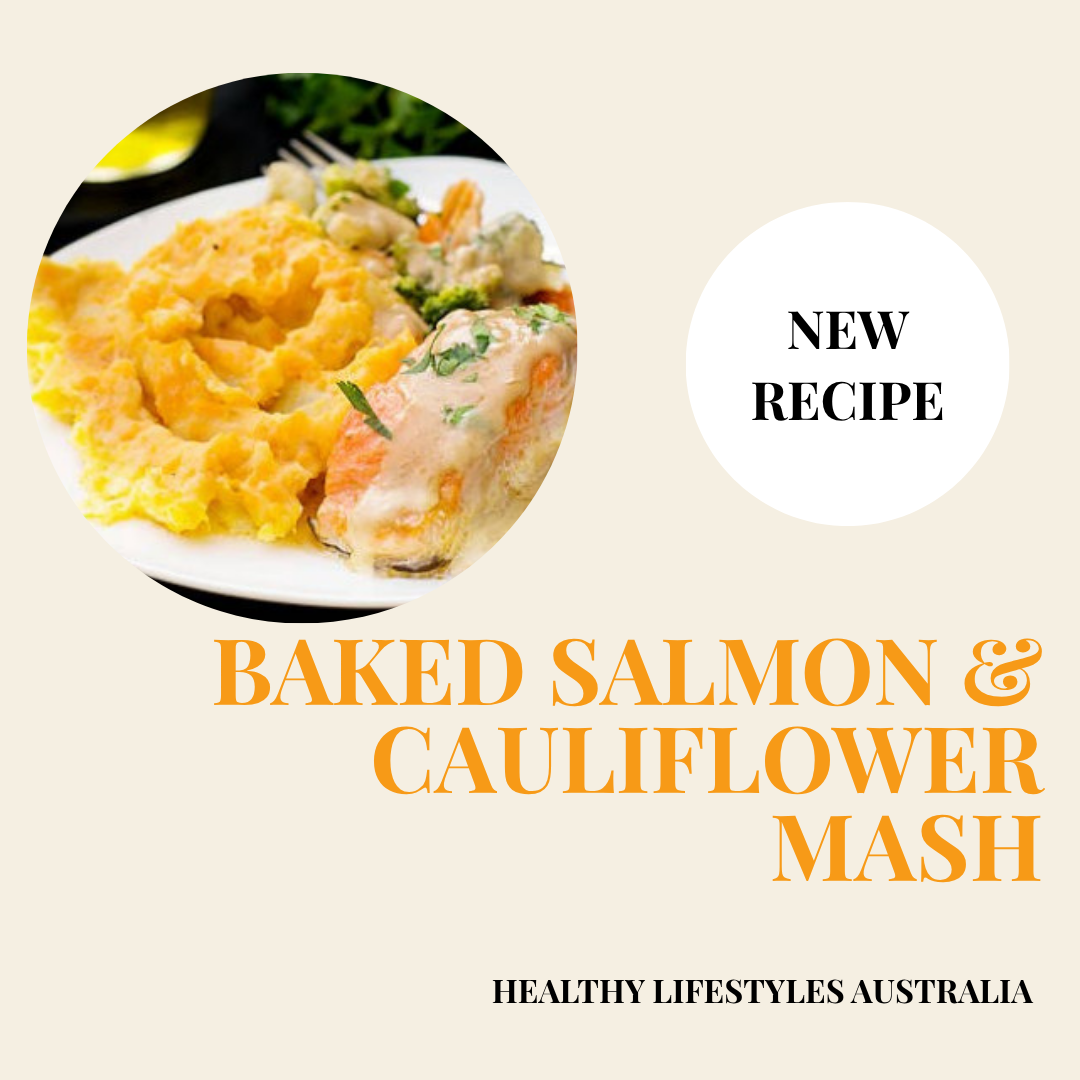
BAKED SALMON & CAULIFLOWER MASH
PREP: 10 min
COOK: 30 min
TOTAL: 40 min
SERVES: 4
INGREDIENTS
500 g salmon (4 × 125 g pieces), skin removed
½ onion, chopped
1–2 cloves garlic, crushed
2 cups cauliflower florets
½ parsnip, peeled and chopped
¼ cup cannellini beans, drained and rinsed
1 teaspoon vegetable stock powder
¾ cup low fat milk
1 tablespoon olive oil
1 tablespoon dried breadcrumbs
METHOD
1. Preheat oven to 200°C.
2. Combine onion, garlic, cauliflower, parsnip, vegetable stock powder, and milk in a large saucepan (use a deep saucepan, as the milk can overflow when brought to the boil).
3. As soon as it boils, reduce the heat to low and gently simmer until the vegetables are tender. Add the beans and remove from heat. Let cool for a few minutes.
4. Meanwhile, heat a non-stick frying pan that has been sprayed with oil over medium heat. Add the salmon and brown on each side for about 1 minute.
5. Place salmon into a small baking dish.
6. Purée (or use a fork to mash) the vegetable mixture and spoon over the fish.
7. Sprinkle with breadcrumbs and bake in the oven for 15–20 minutes, or until the fish is cooked to your liking.
NUTRITION INFORMATION
ENERGY: 249 kcal (1040 kJ)
PROTEIN: 29.5 g
TOTAL CARBS: 10.0 g
SUGARS: 2.0 g
FIBRE: 2.5 g
TOTAL FAT: 9.5 g
SATURATED FAT: 2.0 g
SODIUM: 360 mg
VITAMIN K: 16 µg
VITAMIN C: 48 mg
DELIGHTFUL “DID-YOU-KNOWS”
Salmon – The Fatty Fish for the Brain and Heart
* An exceptional source of polyunsaturated omega-3 fatty acids (EPA and DHA), which are essential for brain development, cognitive function, and cardiovascular health. These fats reduce inflammation, support healthy cholesterol levels, and may lower the risk of heart disease.
* It is a high-quality protein, providing all essential amino acids needed for muscle maintenance, tissue repair, and immune function.
* Rich in fat-soluble vitamins, particularly Vitamin D, which supports bone health and immune regulation, and Vitamin A, important for vision and cellular growth.
* Contains trace amounts of calcium which supports bone health, and iodine, which supports thyroid function and metabolism.
Cauliflower – Mashed “Potato” With More Fibre
* Naturally low-carbohydrate, high-fibre vegetable, making it an excellent alternative to starchy vegetables such as potatoes.
* Fibre supports healthy digestion, helps regulate bowel movements, and contributes to feelings of fullness without the extra calories.
* Rich in Vitamin C which supports immune function and collagen production, and Vitamin K, which plays a role in blood clotting and bone health.
* Both cauliflower and broccoli uniquely provide glucosinolates and other phytonutrients, which have anti-inflammatory and anti-cancer properties.
Cannellini Beans – Legumes to Level Blood Sugars
* Packed with both plant-based protein and soluble and insoluble fibre (prebiotics). This combination promotes satiety, stabilises blood sugar levels, and supports the growth of beneficial gut bacteria and thus, a healthier gut.
* Are complex carbohydrates, which provide slow-releasing energy to prevent blood sugar spikes and stabilise
* Rich in iron, which supports oxygen transport in the blood, and magnesium, which is essential for muscle function, nerve signalling, and energy production.
Olive Oil – Healthy Fats that Love You Back!
* Has a better fat profile compared to butter à lower in saturated fat and higher in mono- and polyunsaturated fats which help to raise HDL “good” cholesterol and lower LDL “bad” cholesterol.
* Source of Vitamin E à a powerful antioxidant that aids skin and immune health.
Low Fat Milk – Bone Benefits in Every Glass
* Provides natural sweetness and creaminess and is an excellent source of calcium, protein, Vitamin D, and Vitamin B12.
* Calcium is the building block for strong bones and teeth, supports muscle function, and nerve signalling for movement.
- One serve of calcium = 1 cup (250mL) of milk.
- Aim for 3 serves of calcium per day to maintain bone health.
- If choosing plant-based milk (e.g., almond, rice, oat, soy), opt for the calcium-fortified and high protein alternative.
* Vitamin D enhances calcium absorption which promotes bone health. It is also an antioxidant which strengthens immune health.
* Vitamin B12 is beneficial for red blood cell production and nerve function.
* Low fat makes it heart-healthy and good for weight management as there is less saturated fat and calories overall.