
PUMPKIN AND BEEF MELT DELIGHT
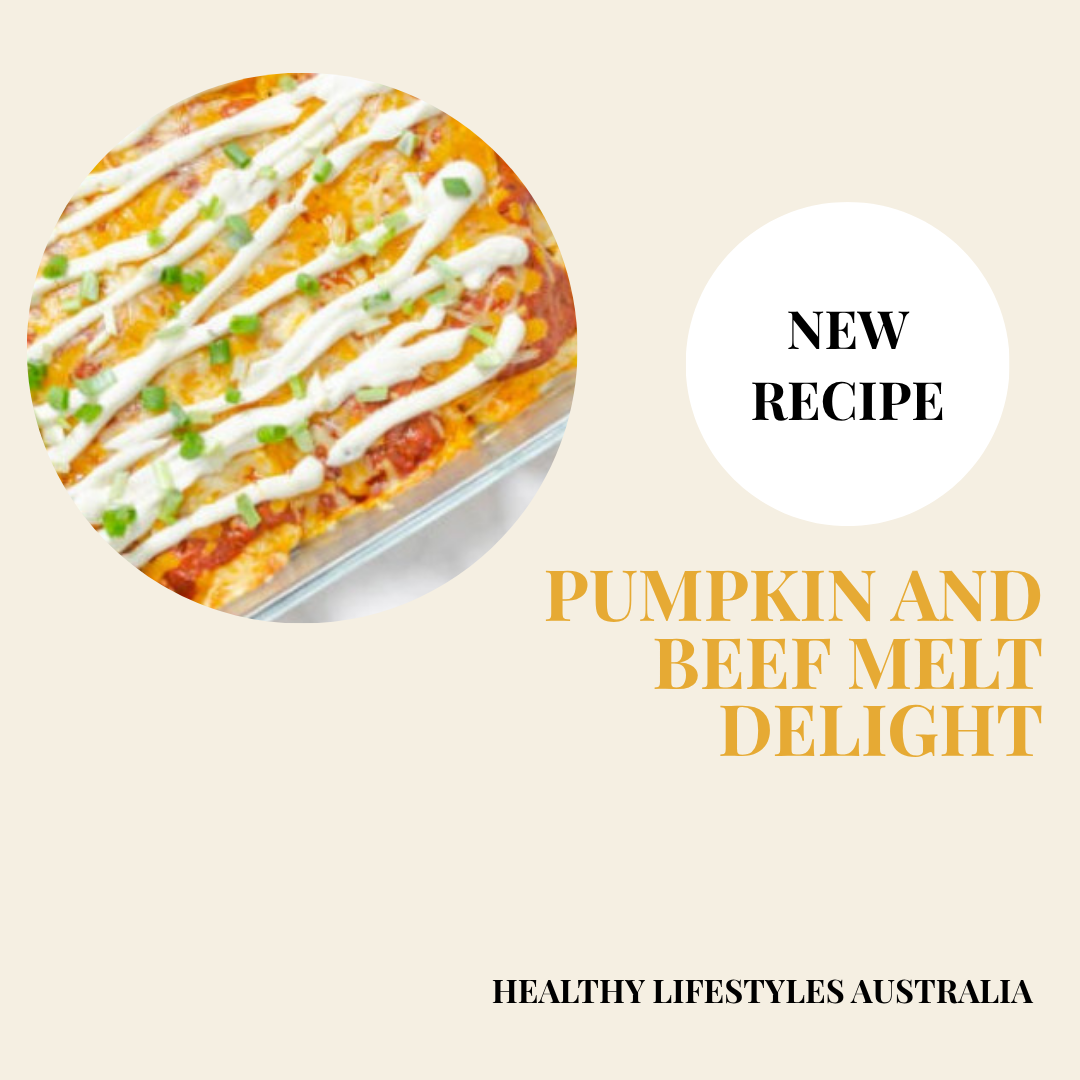
PUMPKIN AND BEEF MELT DELIGHT
PREP: 15 min
COOK: 20 min
TOTAL: 35 min
SERVES: 4
INGREDIENTS
· Olive oil spray
· 800g pumpkin, unpeeled, raw, wedges
· 1 tsp cumin
· 400g lean beef mince, <5% fat
· 200mL passata sauce, plain
· 400g canned corn, drained and rinsed
· 400g canned black beans, drained and rinsed
· 100g cheese, cheddar, low-fat
· 1 medium avocado, diced
· 1 large tomato, diced
· 4 tbsp, low-fat, Greek yoghurt
· 1.5 tbsp coriander, fresh
METHOD
1. Preheat oven to 180⁰C. Line baking tray with baking paper.
2. Place the pumpkin wedges on the tray, season with cumin, and bake until tender.
3. Lightly spray a pan and cook mince until browned. Stir in passata until mixture thickens.
2. In an over-proof tray, layer pumpkin with the beef mixture, followed by the corn and beans, and sprinkle cheese on top. Return to the oven until the cheese has melted.
3. Garnish with diced avocado, diced tomato, and dollops of yoghurt. Finish with fresh coriander and serve alongside lime wedges for a burst of citrus. Enjoy!
NUTRITION INFORMATION
ENERGY: 446 kcal (1866 kJ)
PROTEIN: 36.9 g
TOTAL CARBS: 15.2 g
SUGARS: 7.6 g
FIBRE: 4.9 g
TOTAL FAT: 25.6 g
SATURATED FAT: 6.2 g
SODIUM: 413 mg
CALCIUM: 113 mg
IRON: 2.3 mg
DELIGHTFUL “DID-YOU-KNOWS”
Lean Beef Mince
* An excellent source of high-quality protein, providing all 9 essential amino acids needed for muscle maintenance, tissue repair, and immune function. Adequate protein intake helps preserve lean muscle mass and promote satiety.
* Contains important B-group vitamins, particularly Vitamin B12, Vitamin B6 and niacin, which support energy metabolism, nerve and brain function, and red blood cell production.
* Especially rich in haem iron, a nutrient essential for oxygen transport in the blood and prevention of fatigue. Haem iron has higher bioavailability and better absorption by the gut compared to non-haem iron (found in plants).
* Rich in zinc which is involved in wound healing, immune defence, and protein synthesis for specific hormones.
* It is naturally low in saturated fat, making it a heart-friendly protein choice.
Pumpkin – The Golden Nugget
* An excellent source of soluble fibre, Vitamin A, and Vitamin C.
* Soluble fibre lowers LDL cholesterol, assist regular bowel motions, aids in weight loss and maintenance, and supports a healthy gut microbiome.
* Vitamin A promotes healthy vision and immune function.
* Vitamin C boosts immune and heart health, and aids collagen production for wound healing and healthy skin.
Avocado – Creamy Fats That Love You Back
* Packed with monounsaturated fats which help support healthy cholesterol levels and provide sustained energy that promote satiety.
* High in soluble dietary fibre, which assists healthy digestion, supports the gut microbiome, and regulates appetite and blood sugar levels.
* A great source of potassium, vitamin E, and folate, supporting heart function, skin health, and overall cellular repair and wellbeing.
Beans – Legumes to Level Blood Sugars
* Packed with both plant-based protein and soluble and insoluble fibre (prebiotics). This combination promotes satiety, stabilises blood sugar levels, and supports the growth of beneficial gut bacteria and thus, a healthier gut.
* Are complex carbohydrates, which provide slow-releasing energy to prevent blood sugar spikes and stabilise
* Rich in iron, which supports oxygen transport in the blood, and magnesium, which is essential for muscle function, nerve signalling, and energy production.
Corn – Gentle Fibre, Natural Sweetness
* Provides natural sweetness plus dietary fibre which aids digestive health, regularises bowel motions, and supports a healthy gut microbiome. Fibre also slows digestion which supports steady energy release and improved blood sugar control.
* Rich in thiamine, which is involved in energy metabolism and nervous system function, and antioxidants such as lutein and zeaxanthin, which support eye health.
Low Fat Dairy – Dairy Goodness
* Excellent source of calcium, protein, Vitamin D, and Vitamin B12. Yoghurt, in particular, provides natural creaminess and probiotics for good gut health.
* Calcium is the building block for strong bones and teeth, supports muscle function, and nerve signalling for movement.
* Protein supports muscle growth and tissue repair. As with fibre, protein also promotes satiety, keeping you fuller for longer
* Vitamin D enhances calcium absorption which promotes bone health. It is also an antioxidant which strengthens immune health.
* Vitamin B12 is beneficial for red blood cell production and nerve function.
* Low fat makes it heart-healthy and good for weight management as there is less saturated fat and calories overall.
Tomatoes – A Hidden Gem of Vitamin A
* An excellent source of carotenoids, especially beta-carotene, which the body converts into Vitamin A. Vitamin A is essential for vision, immune function, skin health, and cellular growth.
* Rich in lycopene which is a powerful antioxidant associated with heart health and has anti-inflammatory and anti-cancer properties. Cooking tomatoes increase the bioavailability of lycopene, which means it is more easily absorbed by the body.
* Trace amounts of Vitamin C which supporting immune defence and collagen production, and potassium which contributes to blood pressure control.
Olive Oil – Healthy Fats that Love You Back!
* Has a better fat profile compared to butter - lower in saturated fat and higher in mono- and polyunsaturated fats which help to raise HDL “good” cholesterol and lower LDL “bad” cholesterol.
* Source of Vitamin E - a powerful antioxidant that aids skin and immune health.