
TURMERIC SCRAMBLED EGGS
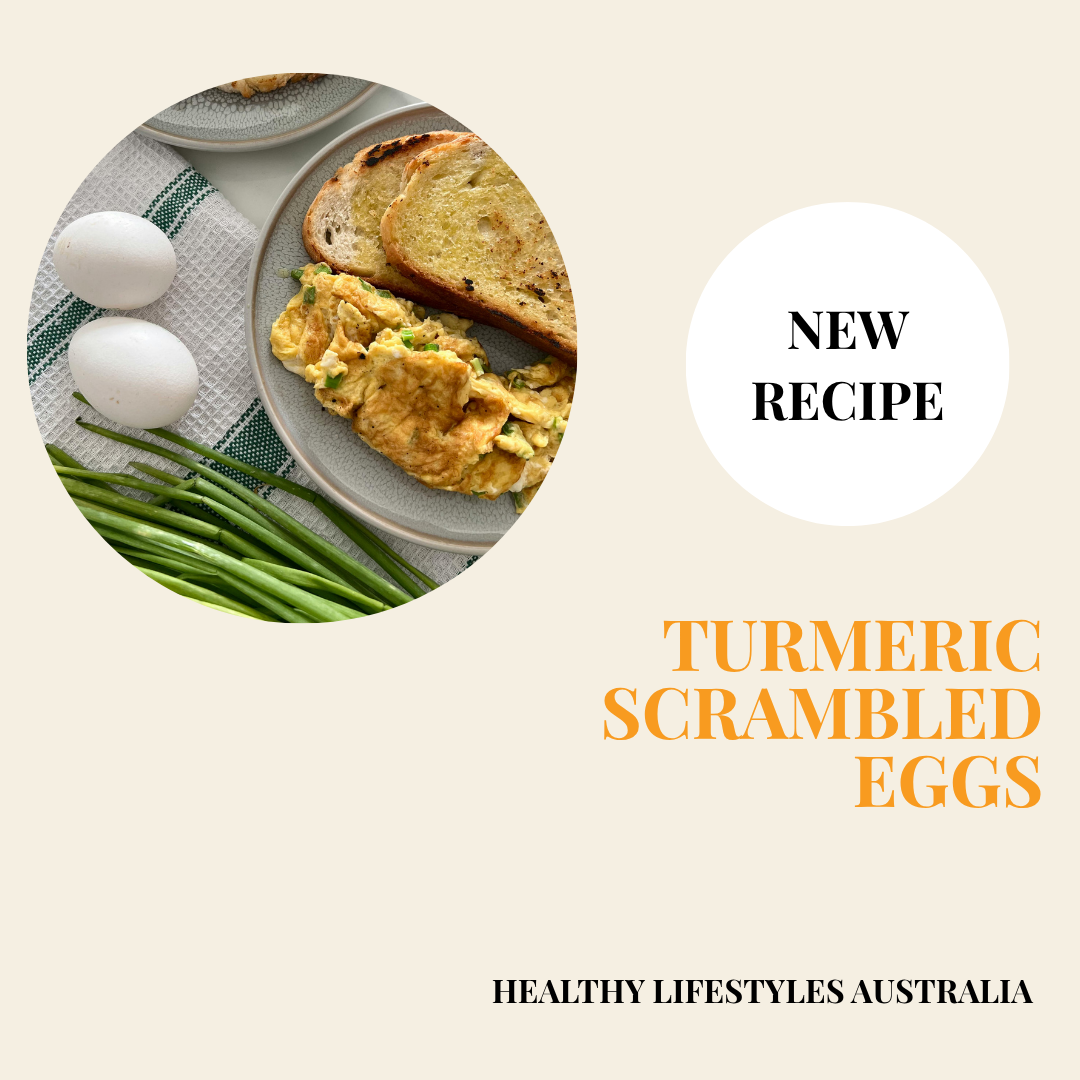
LIGHT MEAL – TURMERIC SCRAMBLED EGGS
PREP: 10 min
COOK: 10 min
TOTAL: 20 min
SERVES: 4
INGREDIENTS
1 tbsp olive oil
200g white cup mushrooms, sliced
120g packet baby spinach
250g vine-ripened cherry tomatoes
8 eggs
4 egg whites
1 tsp ground turmeric
¼ cup low-fat milk (if choosing plant-based, make sure it is calcium fortified)
1 medium avocado, peeled, cut into wedges
2 tbsp flat-leaf parsley leaves
4 slices of rye sourdough, toasted
METHOD
1. Heat half the oil in a large frying pan over medium heat. Add the mushroom and cook for 4 minutes or until tender. Add the spinach and cook for 1-2 minutes or until the spinach just wilts. Transfer to a bowl and cover to keep warm.
2. Put tomatoes into the pan and cook for 4 minutes or until tomatoes begin to collapse. Once cooked, put into mushroom mixture in the bowl and cover to keep warm.
3. In a separate clean bowl, whisk eggs, egg whites, turmeric and milk. Season with pepper.
4. Heat the remaining oil in a large non-stick frying pan over medium heat. Pour the egg mixture into the pan. Use a wooden spoon to stir gently, tilting the pan to allow the uncooked egg to run over the base, for 2-3 minutes or until the egg is just set.
5. Divide the scrambled egg, spinach mixture, tomatoes and avocado among serving plates. Season with pepper. Sprinkle with parsley and serve with toast. Enjoy!
NUTRITION INFORMATION
ENERGY: 395 kcal (1686 kJ)
PROTEIN: 22.7 g
TOTAL CARBS: 30.5 g
SUGARS: 4.5 g
FIBRE: 7.3 g
TOTAL FAT: 21.5 g
SATURATED FAT: 4.8 g
SODIUM: 700 mg
VITAMIN A: 411 µg
VITAMIN C: 18.9 mg
DELIGHTFUL “DID-YOU-KNOWS”
Egg – Nature’s Perfect Protein
An excellent source of protein, fat-soluble vitamins (A, D, E, K), choline, and antioxidants lutein and zeaxanthin.
A high-quality protein, meaning eggs contain all 9 essential amino acids in ideal proportions. This protein is more easily digested and used by the body to build muscle. It also promotes satiety, keeping you fuller for longer.
Fat-soluble vitamins are essential for maintaining many metabolic functions including bone, eye, immune, and digestive health.
Choline promotes brain development and neuroplasticity for healthy ageing, nervous system function, and liver and fat metabolism.
Lutein and zeaxanthin protect against age-related macular degeneration, blue light damage, and generally supports long-term eye health.
Mushrooms – Umami Superfood
Naturally low in calories, fat, and sodium whilst keeping an umami, savoury flavour.
Non-animal source of Vitamin D which aids bone and immune health.
Rich in dietary fibres, beta-glucans and chitin, which support digestive health, lower LDL “bad” cholesterol, and improve satiety and blood sugar regulation.
Baby Spinach – Iron & Antioxidant Powerhouse
A highly nutrient dense green packed with iron, folate, Vitamin K, Vitamin A (beta-carotene), Vitamin C, magnesium, potassium, and plant nitrates.
Iron supports oxygen transport in the blood and helps prevent fatigue.
Folate works alongside iron in producing healthy red blood cells.
Contains potassium and magnesium which assist in blood pressure regulation, and natural nitrates that may support vascular function.
Cherry Tomatoes – A Hidden Gem of Vitamin A
An excellent source of carotenoids, especially beta-carotene, which the body converts into Vitamin A. Vitamin A is essential for vision, immune function, skin health, and cellular growth.
Rich in lycopene which is a powerful antioxidant associated with heart health and has anti-inflammatory and anti-cancer properties. Cooking tomatoes increase the bioavailability of lycopene, which means it is more easily absorbed by the body.
Trace amounts of Vitamin C which supporting immune defence and collagen production, and potassium which contributes to blood pressure control.
Avocado – The Green Butter Substitute
An excellent and highly concentrated source of monounsaturated fats, particularly oleic acid, which supports heart health and helps to raise HDL “good” cholesterol and lower LDL “bad” cholesterol.
Contains more potassium than the average banana which helps to regulate blood pressure, neural transmissions, and phytonutrients to reduce inflammation.
Rich in dietary fibres which supports bowel health, promotes satiety and appetite control, and blood sugar regulation.
Loaded with antioxidants such as Vitamin E, carotenoids (lutein, zeaxanthin), and polyphenols which supports eye and skin health.
Olive Oil – Healthy Fats that Love You Back!
Has a better fat profile compared to butter à lower in saturated fat and higher in mono- and polyunsaturated fats which help to raise HDL “good” cholesterol and lower LDL “bad” cholesterol.
Source of Vitamin E à a powerful antioxidant that aids skin and immune health.
Low Fat Milk – Bone Benefits in Every Glass
Provides natural sweetness and creaminess and is an excellent source of calcium, protein, Vitamin D, and Vitamin B12.
Calcium is the building block for strong bones and teeth, supports muscle function, and nerve signalling for movement.
One serve of calcium = 1 cup (250mL) of milk.
Aim for 3 serves of calcium per day to maintain bone health.
If choosing plant-based milk (e.g., almond, rice, oat, soy), opt for the calcium-fortified and high protein alternative.
Vitamin D enhances calcium absorption which promotes bone health. It is also an antioxidant which strengthens immune health.
Vitamin B12 is beneficial for red blood cell production and nerve function.
Low fat makes it heart-healthy and good for weight management as there is less saturated fat and calories overall.
Turmeric – Small but Potent
Provides antioxidants, prebiotic fibres, and anti-inflammatory compounds that support digestion, immunity, and metabolic health whilst enhancing flavour without added salt or fat.
A highly concentrated source of curcuminoids, primarily curcumin, which is responsible for its bright yellow colour and potent biological activity. Specifically, curcumin has anti-inflammatory properties that support joint, cardiovascular, neurological (brain), and overall immune health.